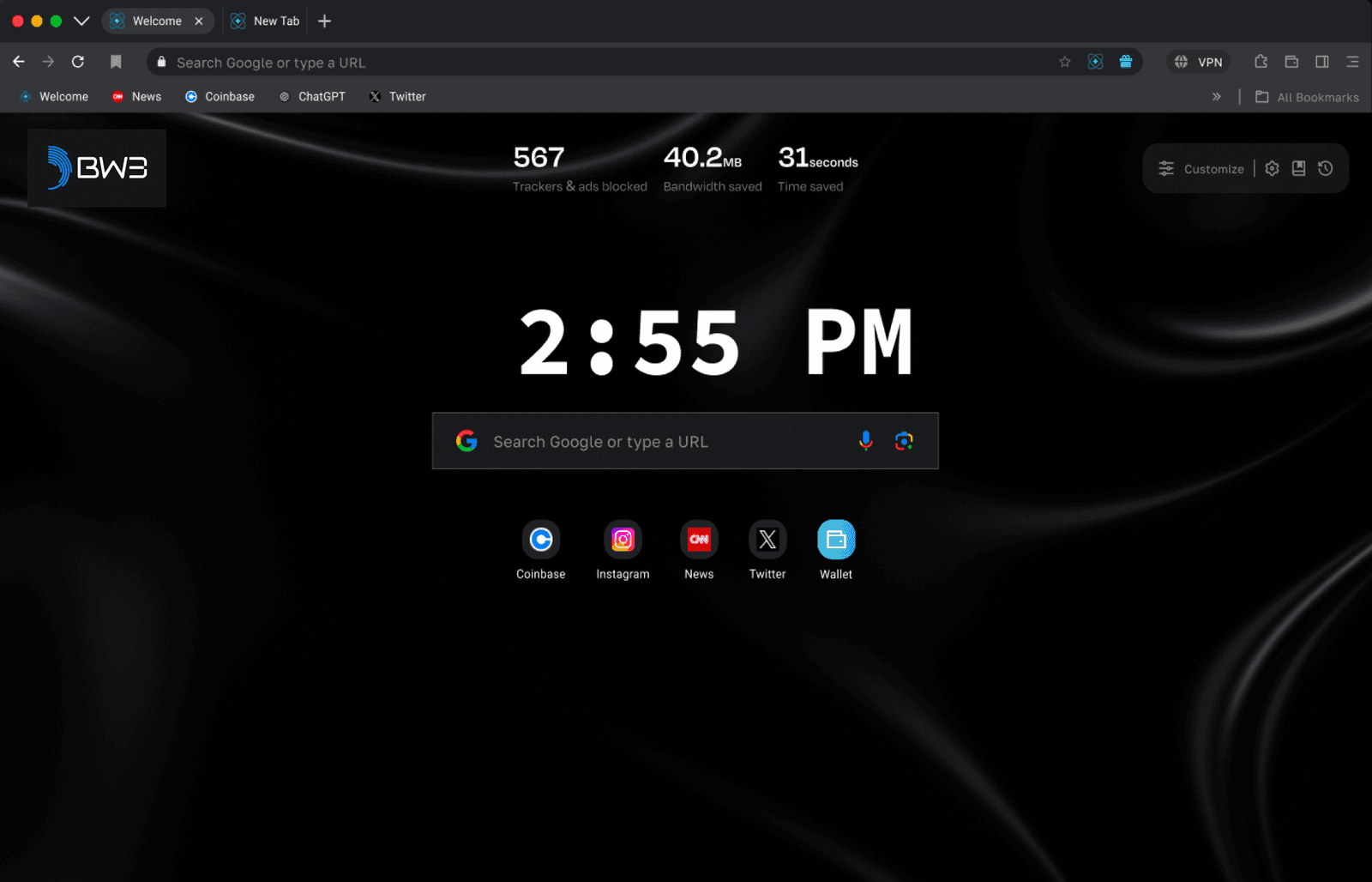

Engineering service
Brave Browser Development
We modify and maintain Brave-based browser products at the code level: brave-core, Shields, Wallet, IPFS and the Chromium layer underneath. This goes well beyond rebranding, and we track both the Brave and Chromium upstreams so your product keeps shipping.
- 15+ years of experience
- 300+ projects delivered
- Clients worldwide
- NDA available
Overview
What this is, and when it is the right call
Brave is an open-source browser built on Chromium through its brave-core layer. That layer adds Shields content blocking, a built-in wallet and a rewards system. It is published under MPL 2.0, but check the current license terms before you plan around it.
Building on Brave gives you those features as a starting point, and it also means tracking two upstreams: Brave and Chromium. Brave's name and logos are trademarks, so a derived browser needs its own branding. We help you decide whether that trade is worth it for your product.
Who this is for
- Teams that want to build a browser starting from Brave's privacy features instead of from plain Chromium.
- Companies that already maintain a Brave-based fork and need help keeping it current.
- Product teams choosing between a Brave base and a plain Chromium base.
- Extension developers who need their extension to work well in Brave.
How it works
Architecture at a glance
Anatomy of a Brave-based browser
Your browser
Your name, branding, defaults and product features.
Your patch series
Small, documented changes on top of Brave, rebased as Brave and Chromium move.
Brave layer
Shields, Rewards, Wallet and Brave UI, kept as close to upstream as possible.
Chromium
Blink, V8, Content, networking and the sandbox.
Build and release
- Windows
- macOS
- Linux
Build system, CI, installers, code signing and updates.
- Your productWhat your users see
- Our engineeringModifications and protections
- UpstreamKept as close to unmodified as possible
- Platforms and releaseBuild, sign and deliver
What we offer
What we engineer: Brave Browser Development
brave-core Patch Layer Work
We work inside brave-core, the layer Brave adds on top of Chromium, to add or adjust features without touching Chromium itself.
Shields Filter List Tuning
We adjust Shields' ad and tracker blocking rules and filter list sources to set your fork's default blocking behavior.
IPFS Gateway Configuration
We configure Brave's built-in IPFS support, including which gateway or local node your browser resolves ipfs:// links against.
Wallet and Web3 Provider Setup
We configure or replace Brave Wallet's default network list and dApp provider injection for a forked browser's Web3 behavior.
Brave Sync Chain Configuration
We set up or point Brave Sync at your own sync server so bookmarks, history and settings move between a user's devices under your infrastructure.
Rewards and BAT Removal or Replacement
We remove Brave Rewards where it cannot be reused, or scope what stays, since Rewards depends on Brave's own backend services.
Deliverables
What you get
- 01
Base decision
A written comparison of Brave and plain Chromium against your requirements, with a recommendation.
- 02
Rebranded build
Your own name, icons and defaults, with Brave trademarks removed from the product.
- 03
Feature audit
A review of which Brave features to keep, change or remove, including Rewards and Wallet.
- 04
Patch series
Your changes as a reviewable series on a named Brave version.
- 05
Build and release pipeline
CI, installers, signing and updates for the platforms you choose.
- 06
Two-upstream upgrade runbook
Steps for absorbing new Brave and Chromium releases without breaking your patches.
Compare
Brave base or plain Chromium base?
Neither is better in general. The right base depends on which features you want to inherit and how much upstream tracking you can carry.
| Question | Brave as the base | Plain Chromium as the base |
|---|---|---|
| Privacy defaults | Shields content blocking and other privacy features come included | You add or build any privacy features yourself |
| Upstreams to track | Two: Brave and Chromium | One: Chromium |
| Feature control | You inherit Brave's feature set and must remove or adapt what you do not want | You start clean and add only what you choose |
| Branding and licensing | Brave's name and logos cannot be reused; check current license terms for the code | Chromium's open-source terms apply; you still need your own branding |
| Rewards and Wallet | Rewards depends on Brave's own services, so a derived browser usually cannot reuse it as it is | Not present; you build or integrate your own if needed |
| Time to first build | Shorter for privacy features, longer for untangling Brave-specific parts | Shorter to a clean baseline, longer to reach the same privacy features |
Why it matters
What this gives you
Shields Included From the Start
Content and tracker blocking ships as part of the base instead of something you build from a plain Chromium checkout.
A Smaller Patch Set to Write
Because brave-core already adds privacy and Web3 plumbing, your own patches can focus on branding and product features rather than building that plumbing yourself.
Built-in IPFS Support
Brave ships IPFS resolution already wired in, which a plain Chromium checkout does not have.
Engineers Who Track Both Upstreams
Keeping a Brave-based fork current means rebasing against Brave's releases and Chromium's; our team maintains that two-upstream workflow rather than treating it as a one-time patch.
Our approach
How a Brave-based project runs
Base decision
We compare Brave and plain Chromium against your product and pick one with you.
You get: A written recommendation
Feature audit
We go through Brave's features and decide what to keep, change or remove, including services your browser cannot depend on.
You get: A keep, change or remove list
Rebrand and patch
We replace branding and implement your features as small patches on top of Brave.
You get: A branded build with a patch series
Test
We test your features, the retained Brave features and core browsing on each platform.
You get: Test results and known limits
Release and maintain
We ship signed builds and document how to follow both Brave and Chromium releases.
You get: Release pipeline and upgrade runbook
When this is not the right fit
A few cases where this approach may not be the best choice for you.
- You only need your feature inside the Brave users already have. Build an extension, since Brave runs Chrome ones.
- You cannot commit to tracking two upstreams. A plain Chromium base has one fewer dependency to keep in step.
Tech stack
Technologies we use
The engines, APIs and tools behind our brave browser development work.
brave-core ChromiumShieldsBrave WalletIPFSBrave Sync
 Rust
Rust C++MPL 2.0
FAQ
Questions engineers ask before starting
Usually not as it is. Rewards depends on Brave's own services, so a derived browser would need its own equivalent or would ship without it.

Our services
Related services
Explore more services that work alongside this one.

Talk to a Browser Engineer
Talk to Engineers Who Work in brave-core
Tell us what your Brave-based product needs. We will assess it against both upstreams and tell you what it takes to build and maintain.